
Introduction
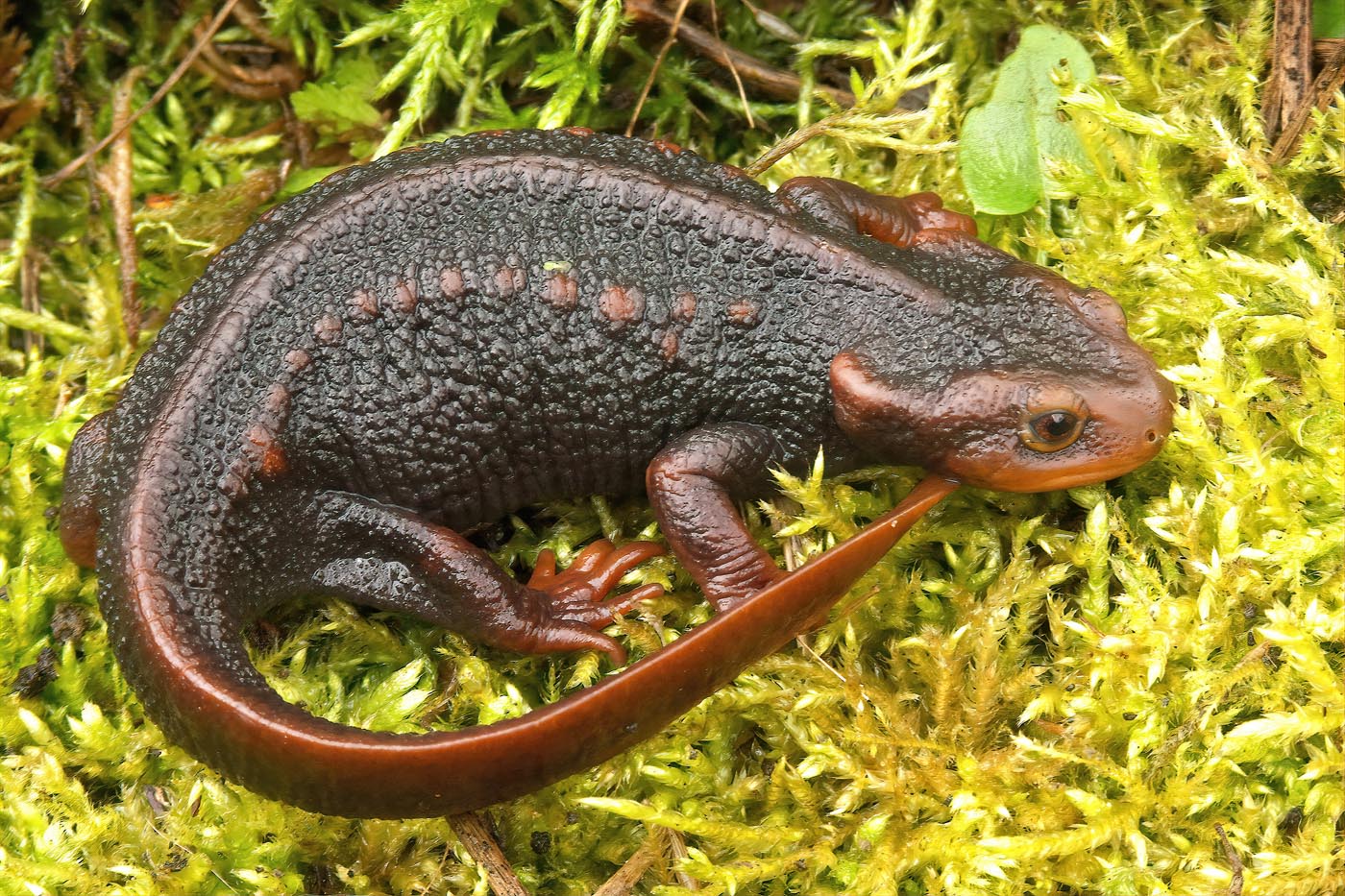
Every monsoon season, something ancient stirs in the misty hills of Darjeeling. The Himalayan salamander — a living fossil that shared the earth with dinosaurs — emerges from the forest in search of wetlands to breed in. What follows is one of nature’s quieter rituals: a slow, circular dance lasting up to 90 minutes, after which eggs are carefully attached to semi-submerged aquatic plants. Without those plants, without those wetlands, there is no next generation.
In 2025, reporters from Mongabay-India traveled to Darjeeling to document what’s happening to those wetlands — and to the salamanders that depend on them. What they found is both a warning and a call to action.
A Breeding Ritual on the Brink
The Himalayan crocodile salamander (Tylototriton verrucosus) — India’s only tailed amphibian species — has some of the most specific habitat requirements of any amphibian. It needs mountain wetlands with particular plant species, including the denseflower knotweed, for egg attachment. It needs clean water, undisturbed soil for hibernation, and safe passage through the landscape at night.
Right now, it has almost none of these things reliably. The small ephemeral wetlands the species depends on are being drained to make way for housing and tourist infrastructure. Wastewater from Darjeeling’s booming hospitality industry is contaminating the breeding pools that remain. And at night, when salamanders venture onto roads to reach egg-laying sites, they are struck by vehicles — a death toll that goes largely uncounted. Simple solutions exist, like constructing culverts to allow safe underpasses, but none have been built.
A Sanctuary That Became a Cautionary Tale
Perhaps the most striking moment in the Mongabay-India film is the story of Jorepokhri, declared India’s first salamander sanctuary in 1985. Rather than serving as a model for conservation, it became the opposite. A large guest house was constructed nearby, and the surrounding ground was cemented — sealing hibernating salamanders into the earth. The local population was effectively wiped out.
“It was the biggest failure due to human interference and negligence,” one researcher says in the film.
Contrast that with Pokhritar, where active protection by the forest department has allowed salamanders to thrive. The difference isn’t geography — it’s intention and follow-through.
90% of Habitat Is Unprotected
Preliminary habitat assessments by researcher Barkha Subba revealed a sobering reality: of the more than 40 known salamander habitats in Darjeeling, only around 10% fall within officially protected areas. The rest sits on private land and in tea gardens, where conservation is rarely the primary concern.
As one local puts it in the film, the tension is real and deeply human: “When it comes to the new generation, they want to build some infrastructure or a homestay where there used to be a habitat. You cannot really stop that — you can’t stop people’s aspirations.”
This is the central challenge of amphibian conservation worldwide. The species that need protection most are often the ones living closest to communities, on land those communities depend on for their livelihoods.
Reasons for Hope
The picture isn’t entirely bleak. The West Bengal Forest Department has begun active restoration work — removing invasive weeds, digging new ponds, and clearing pollution from degraded wetlands. And in a significant step forward, three key breeding sites — Pokhritar, Namthing Pokhari, and Panchpokri — are slated to be formally declared salamander sanctuaries in 2026.
These sites represent some of the last remaining viable habitat in the Darjeeling Hills. Protecting them won’t solve every problem, but it would mark a genuine turning point for a species that has survived on this planet for millions of years and deserves the chance to survive millions more.
Learning More and Getting Involved
SAVE THE FROGS! India is actively conducting research and awareness activities focused on the Himalayan salamander, working to ensure this species receives the scientific attention and public support it needs. You can read more about the Himalayan salamander and watch another remarkable film documenting the species in our article The Salamander That Speaks.
World Salamander Day is March 28th — a global celebration dedicated to these extraordinary animals and the habitats they depend on. Share this video, support the science, and help us ensure that when the monsoon comes next year, salamanders are still dancing in the hills of Darjeeling.