
SAVE THE FROGS! South Asia Meetup
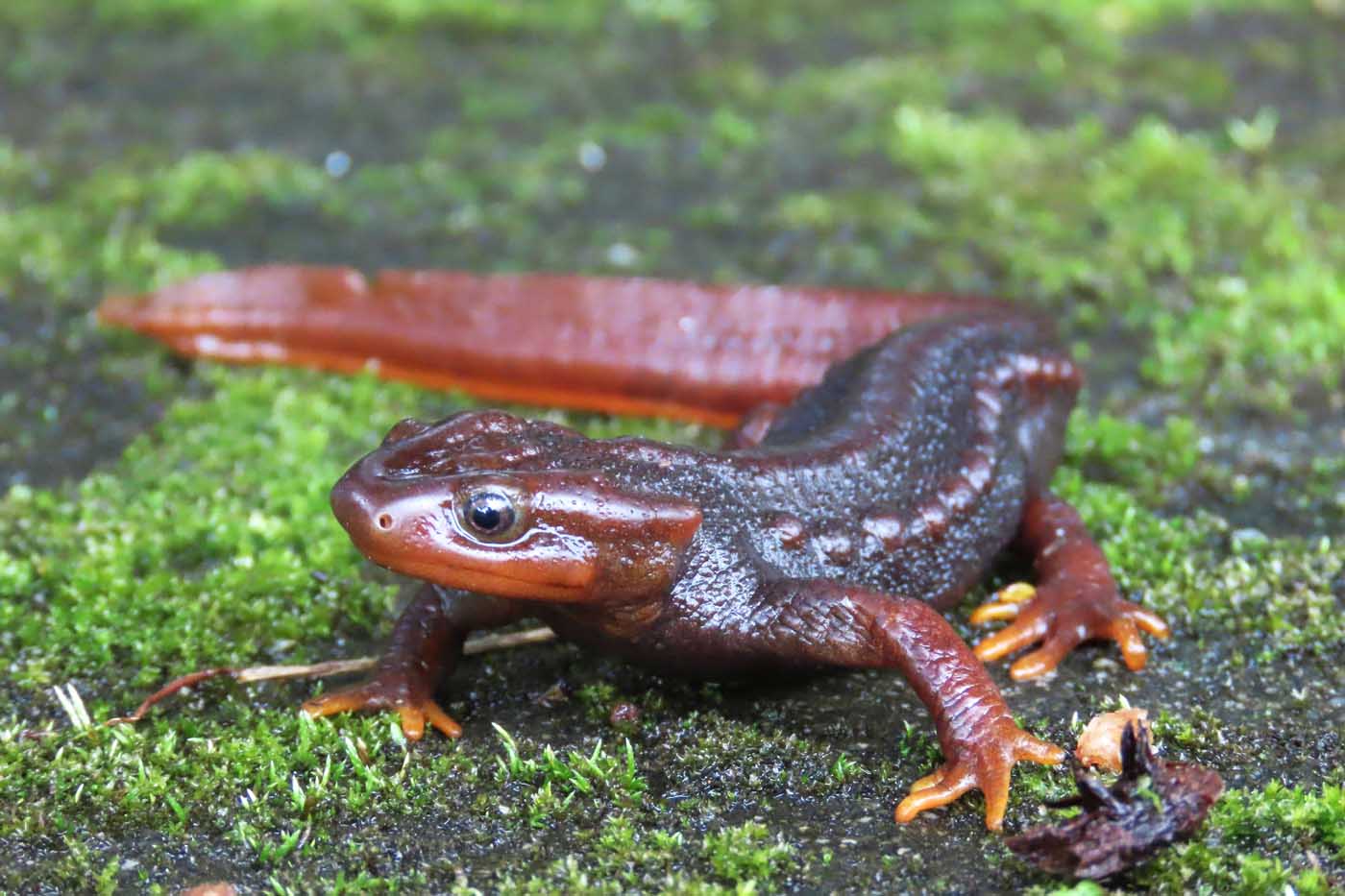
On March 28, 2026 (the inaugural World Salamander Day), SAVE THE FROGS! India hosted a special South Asia Meetup focused on the conservation of Himalayan Salamanders. Three researchers shared findings from years of fieldwork in the Darjeeling Hills and Eastern Himalayas. Watch the video below!
The Crisis Facing Himalayan Salamanders
More than 60% of the world’s salamander species are threatened with extinction. The Himalayan Crocodile Salamander (Tylototriton himalayanus) inhabits high-altitude wetlands in the Eastern Himalayas — yet the majority of its known breeding habitats lie outside protected areas, leaving the species particularly vulnerable to wetland degradation, invasive species, tourism pressure, and seasonal drought.
Dr. Barkha Subba — Status Survey and Restoration of Himalayan Salamander Habitat in Darjeeling Hills
Dr. Barkha Subba is a conservation scientist with the Federation of Societies for Environmental Protection (FOSEP), working on biodiversity conservation and community-led stewardship in the Darjeeling Hills of the Eastern Himalayan region. Her presentation documented current salamander distribution across the Darjeeling Hills through field surveys, identified key threats, and outlined ongoing habitat restoration efforts — including invasive species removal, wetland protection, tourism regulation, and community engagement with local residents, tea garden managers, and government agencies. Follow her work at @salamander_ark_himalaya on Instagram.
Sarbani Nag — Himalayan Crocodile Salamander: the Marvel of the Mighty Himalayas
Sarbani Nag is President of SAVE THE FROGS! India and has spent years documenting breeding habitats of the Himalayan Crocodile Salamander across high mountain wetlands in the Darjeeling district. Her presentation covered ecological observations of the species’ life cycle, including sites with overwintering larvae and the role of stable water levels in delaying metamorphosis. She also shared a remarkable discovery: this caudate is capable of producing sound. Alongside her field research, Sarbani works closely with local communities, NGOs, teachers, and students to build awareness and develop sustainable, community-led conservation strategies.
Dipesh Giri — Salamander Survival in a Shrinking Wetland: A Long-Term Study from Mirik, India
Dipesh Giri presented five years of wetland monitoring data from Mirik, India, focusing on the seasonal threats salamander populations face during the January–March dry period. His long-term dataset offers rare insight into how shrinking wetland habitats affect population dynamics and what the findings mean for conservation planning across the region.
Reasons for Hope
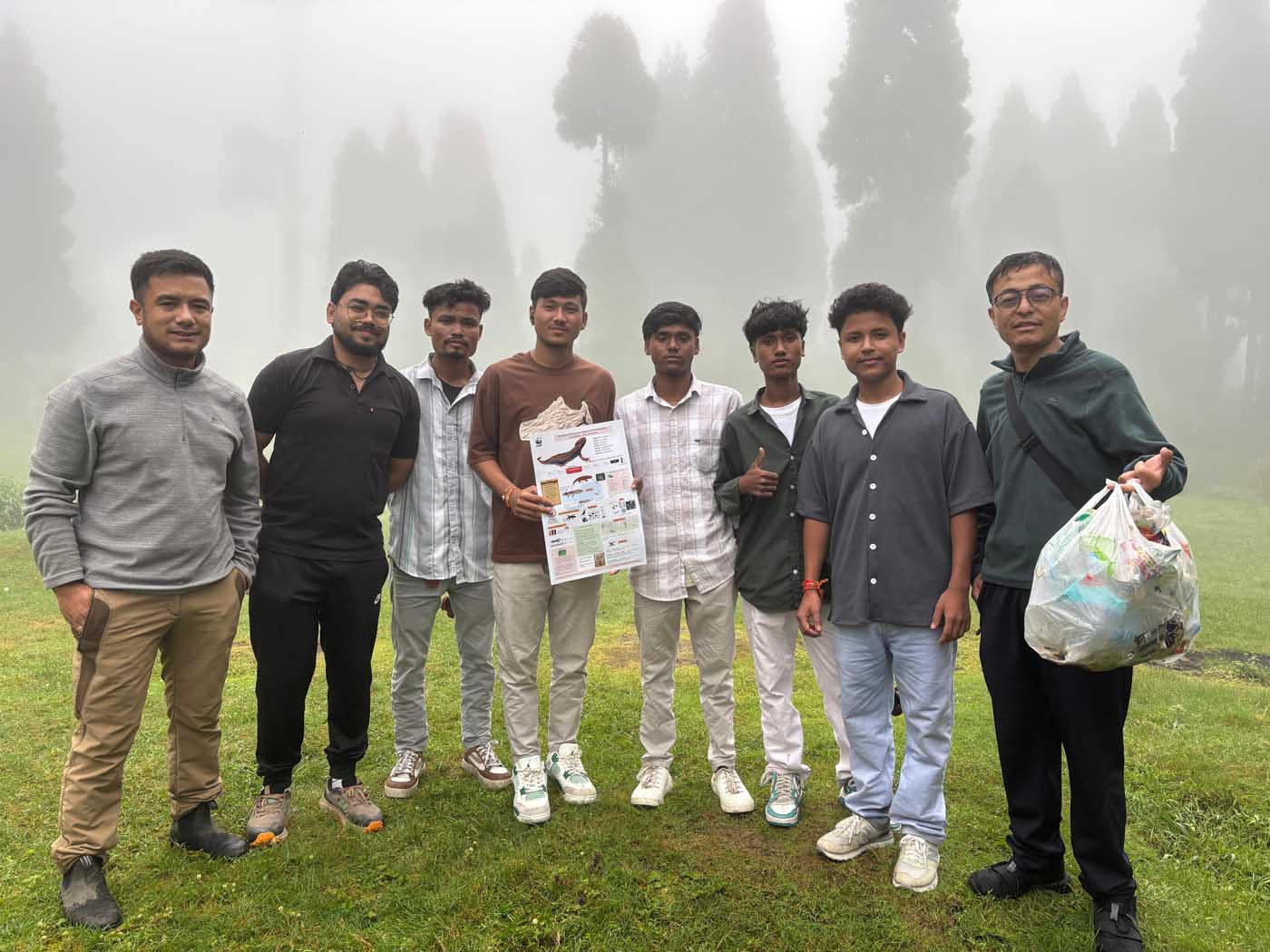
Community-led conservation is making a difference. By working directly with local residents, tea garden managers, students, and NGOs, researchers like Barkha Subba and Sarbani Nag are building the long-term stewardship that mountain wetlands need to survive. Where communities understand and value the salamanders living alongside them, habitats stand a much better chance.
📅 Mark your calendar: World Salamander Day is March 28 every year — join us for the 2nd Annual World Salamander Day on March 28, 2027!
💚 Follow us on Instagram: @worldsalamanderday
🦎 Learn more about SAVE THE FROGS! South Asia Meetups
🐸 Subscribe to the World Salamander Day newsletter for news, updates, and alerts: worldsalamanderday.org/newsletters
Community youth at Majhidura awareness and cleaning event. Photo of Himalayan Salamander atop this page by Barkha Subba