The 2nd Annual World Salamander Day: March 28th, 2027
Blog | 2026 Events | Contact
World Salamander Day:
March 28th Every Year
Celebrating the world’s most under-appreciated amphibians — the nocturnal heroes who keep ecosystems healthy, signal environmental change, and migrate against all odds to the places they were born.
Why Salamanders Deserve Their Own Day
Salamanders are among the most abundant vertebrates in many forests, yet most people never see them. These secretive amphibians are ecological powerhouses:
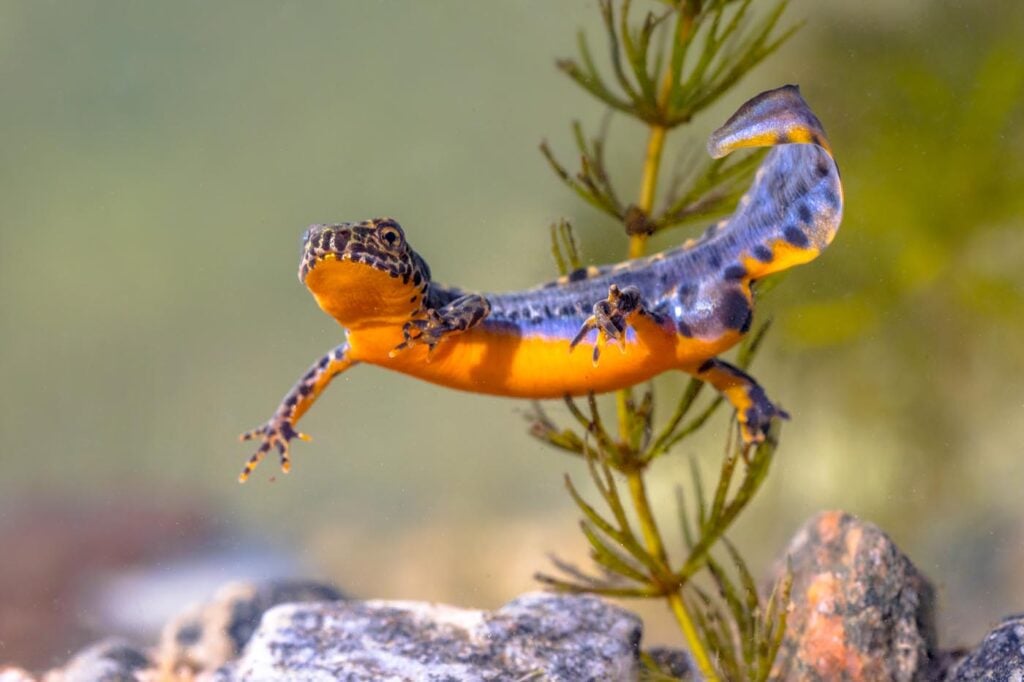
- Ecosystem Engineers: In Appalachian forests alone, the biomass of salamanders outweighs all the deer. They control insect populations and cycle nutrients through the soil.
- Environmental Indicators: Because they breathe through their skin and depend on clean water, salamanders are among the first species to disappear when ecosystems are stressed.
- Medical Marvels: Salamanders can regenerate limbs, tails, eye tissue, and even parts of their brains—offering critical insights for human medicine.
- Migratory Heroes: Every spring, salamanders embark on perilous journeys to their birthplace wetlands, crossing roads where thousands are killed by cars each year.
Despite their ecological importance, salamanders face habitat loss, road mortality, climate change, disease, over-exploitation for luxury food markets and the international pet trade.
World Salamander Day brings these hidden heroes into the spotlight.
Why March 28?
March 28 falls during peak salamander migration season across much of North America, when volunteers with flashlights and reflective vests gather on rainy nights to help salamanders cross roads safely.
From the Chileno Valley Newt Brigade in California (active December-March) to the Harris Center Salamander Crossing Brigades in New Hampshire and the New York DEC Amphibian Migrations & Road Crossings Project (active late February-April), March 28 captures the height of “Big Night” activity—when hundreds of salamanders migrate to their breeding pools on warm, rainy evenings.
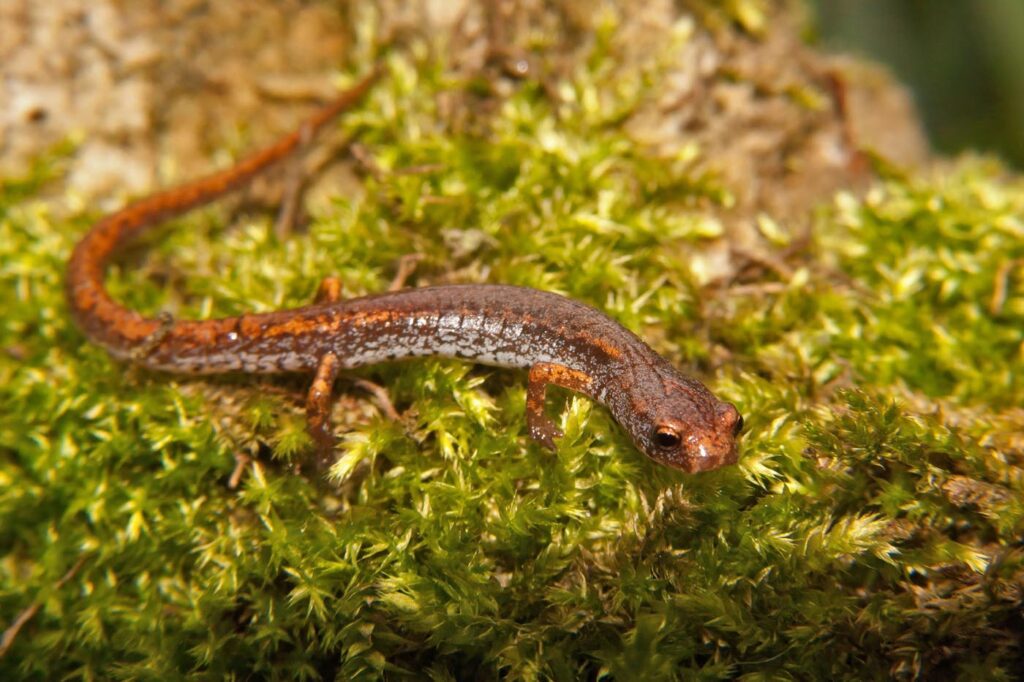
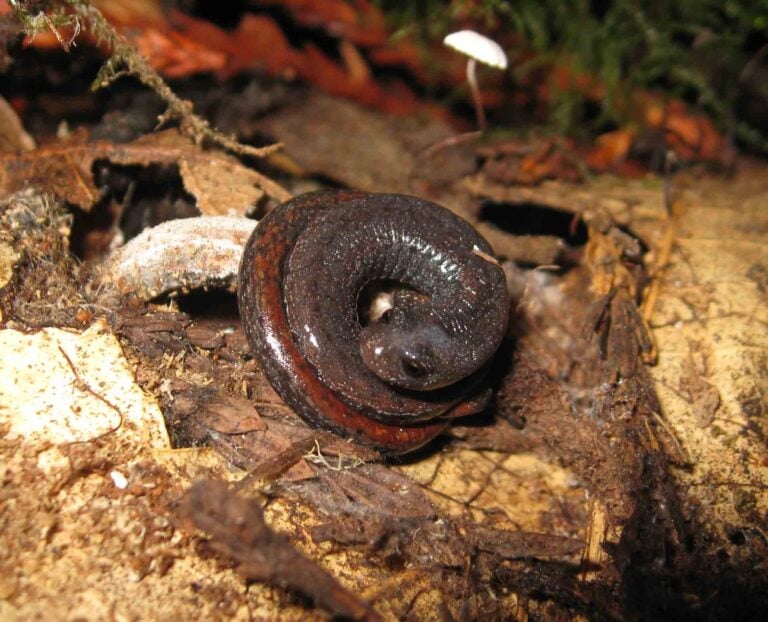
Salamanders migrate to breeding pools on rainy spring nights. Photo: Four-toed salamander (Hemidactylium scutatum)
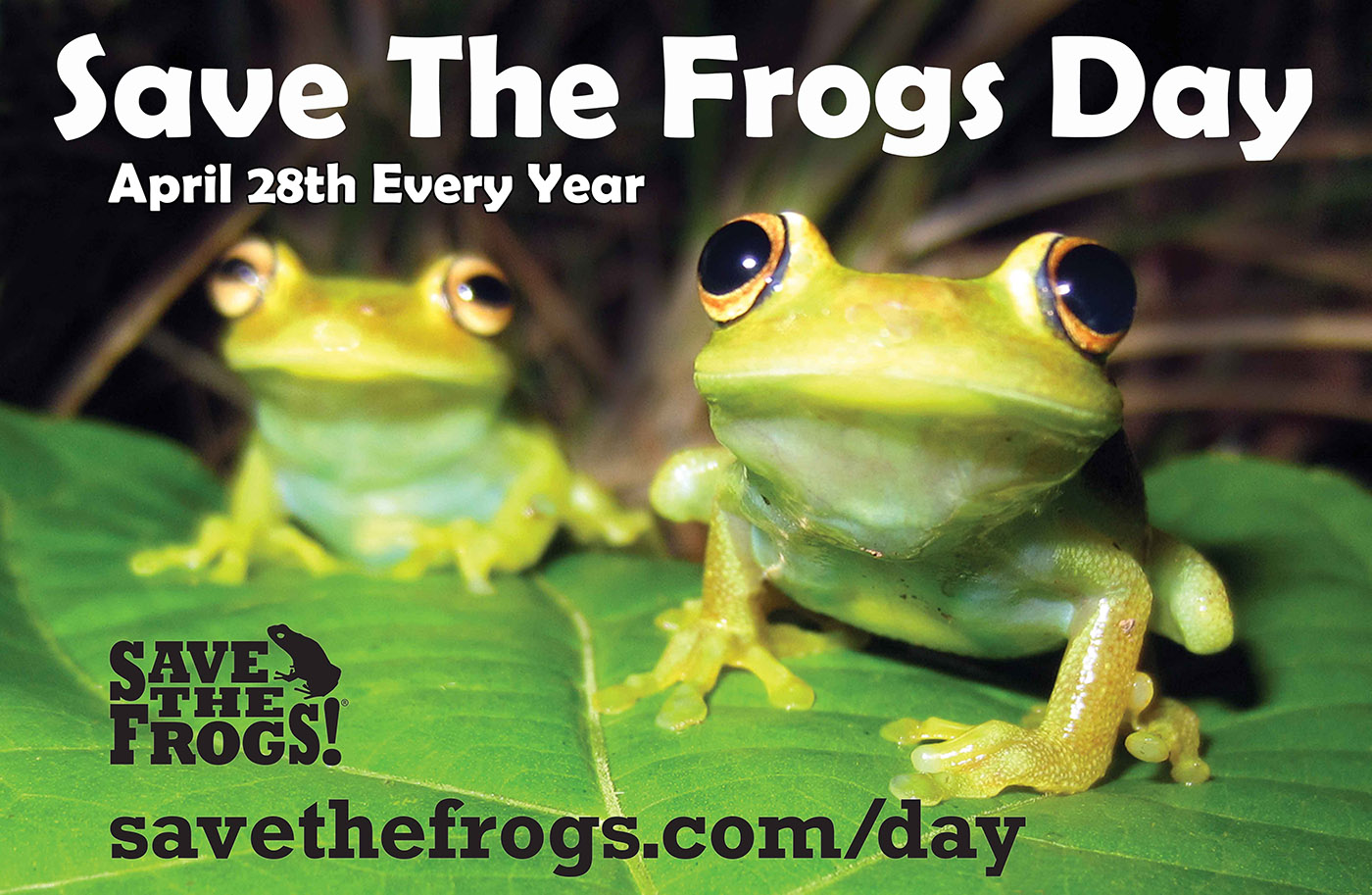
March 28 is also exactly one month before Save The Frogs Day (April 28), making both dates easy to remember and creating back-to-back spring celebrations for amphibian conservation.
How to Celebrate World Salamander Day
World Salamander Day is for everyone – from citizen scientists to families, educators to conservationists. Here’s how you can participate:
💚 Join Our Live Events
We have online and in-person educational events taking place March 28th, online and in-person!
Volunteer programs help salamanders cross roads safely:
🦎 Protect Habitat
Protect, restore and create wetlands: savethefrogs.com/wetlands
🔦 Join a Salamander Crossing Brigade
- Chileno Valley Newt Brigade (CA)
- Harris Center (NH)
- NY DEC Program (NY)
📸 Document Salamanders
Get outside! Find and photograph salamanders. Share your knowledge online and contribute to scientific understanding.
🎓 Educate Others
Host educational programs at schools or nature centers.
Organize a World Salamander Day field outing.
📢 Spread the Word
Share on social media: tag us @WorldSalamanderDay and link back to this website.
Recent Articles You May Enjoy
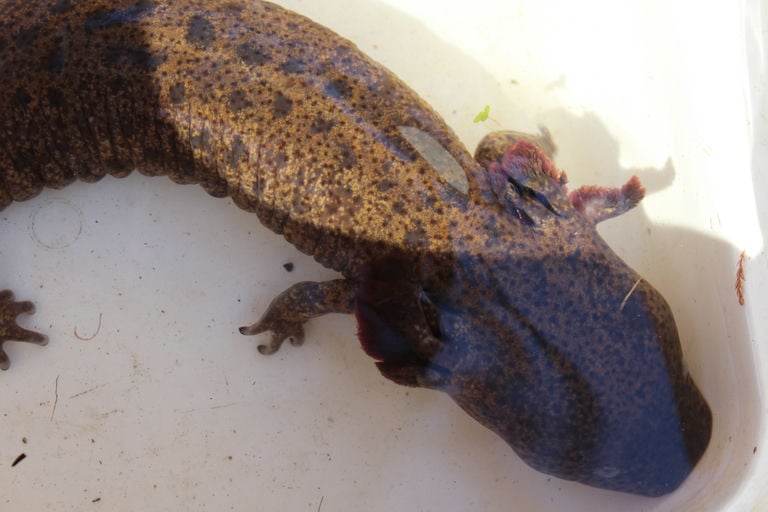
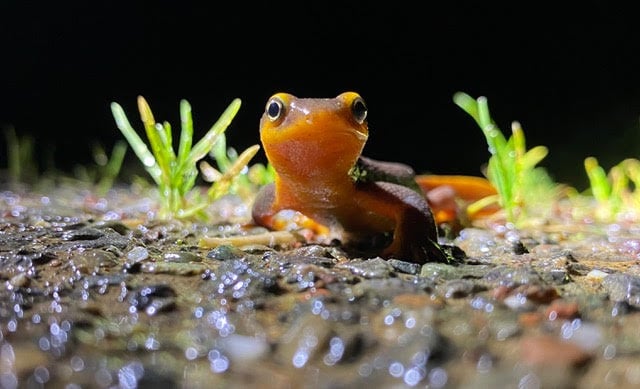
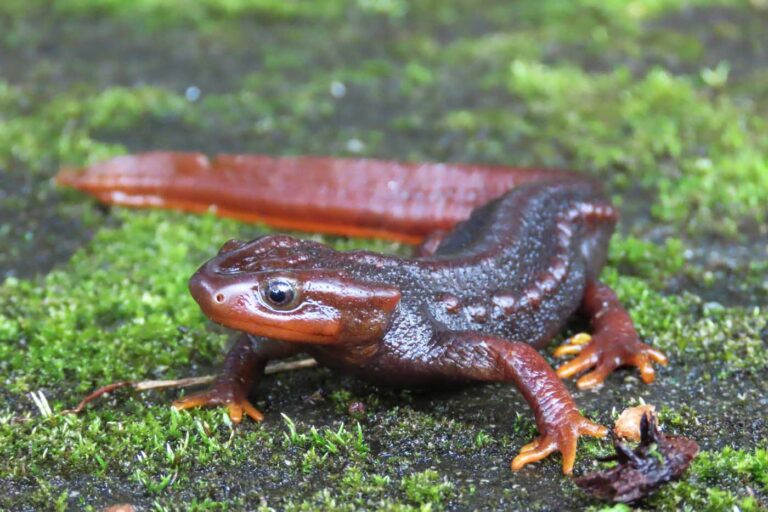

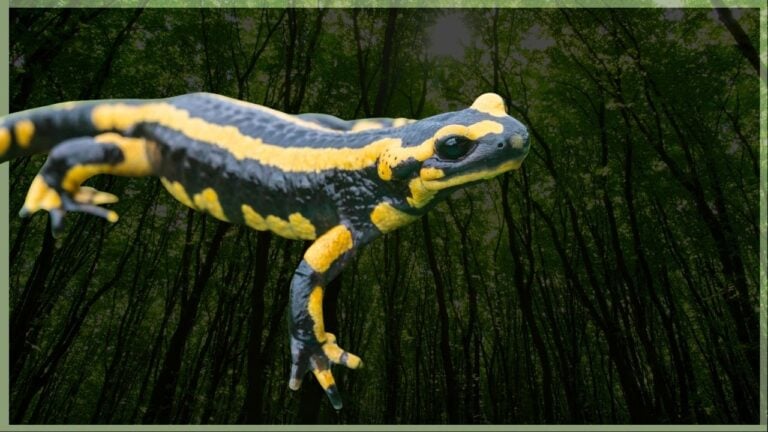
Amazing Salamander Facts
🌍
Global Diversity
820+ salamander species worldwide, with the United States hosting nearly one-third of them – half of which live in Appalachia.
🔬
Regeneration Superstars
Many salamanders can regenerate limbs, tails, eye tissue, and even brain tissue—insights that may help treat human injuries and diseases.
🌡️
Living Thermometers
Salamanders are highly sensitive to temperature and pollution, making them excellent indicators of ecosystem health and climate change.
🌧️
“Big Night” Migrations
On the first warm, rainy spring nights (above 40-45°F), hundreds of salamanders migrate together to breeding pools – a spectacular natural phenomenon.
💧
Lungless Wonders
Two-thirds of salamander species have no lungs and breathe entirely through their skin, making them extremely vulnerable to pollution.
🦟
Pest Control Experts
Salamanders consume vast quantities of mosquitoes, flies, and other insects, providing natural pest control in forests and wetlands.
Visit The World Salamander Day Blog To Learn More About Salamanders
Salamander Gallery
Celebrating the incredible diversity of salamanders around the world
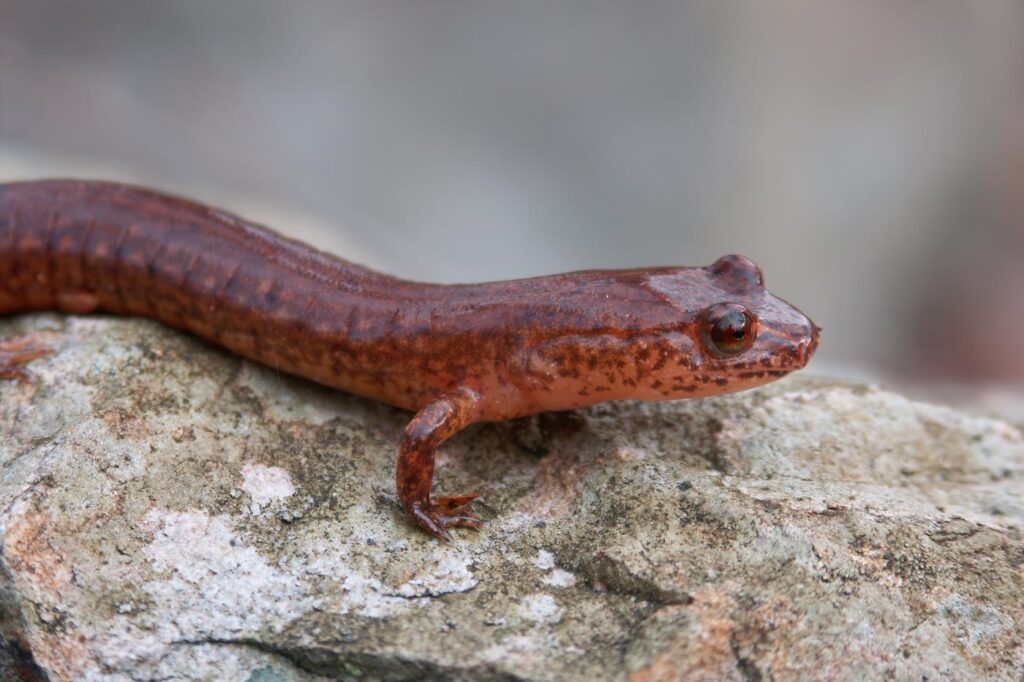

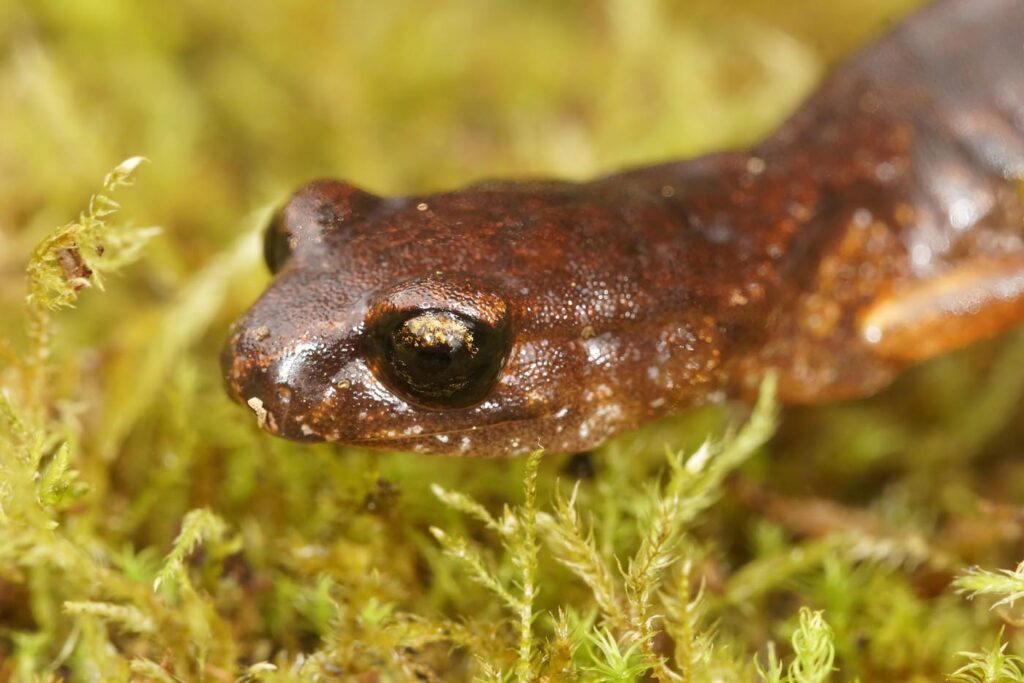
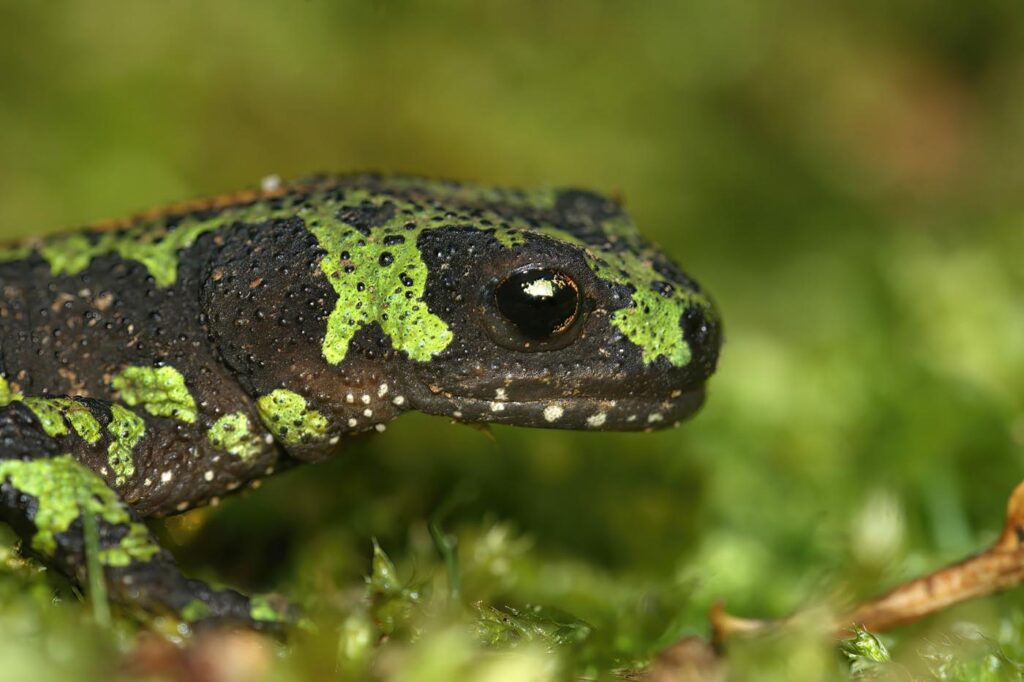
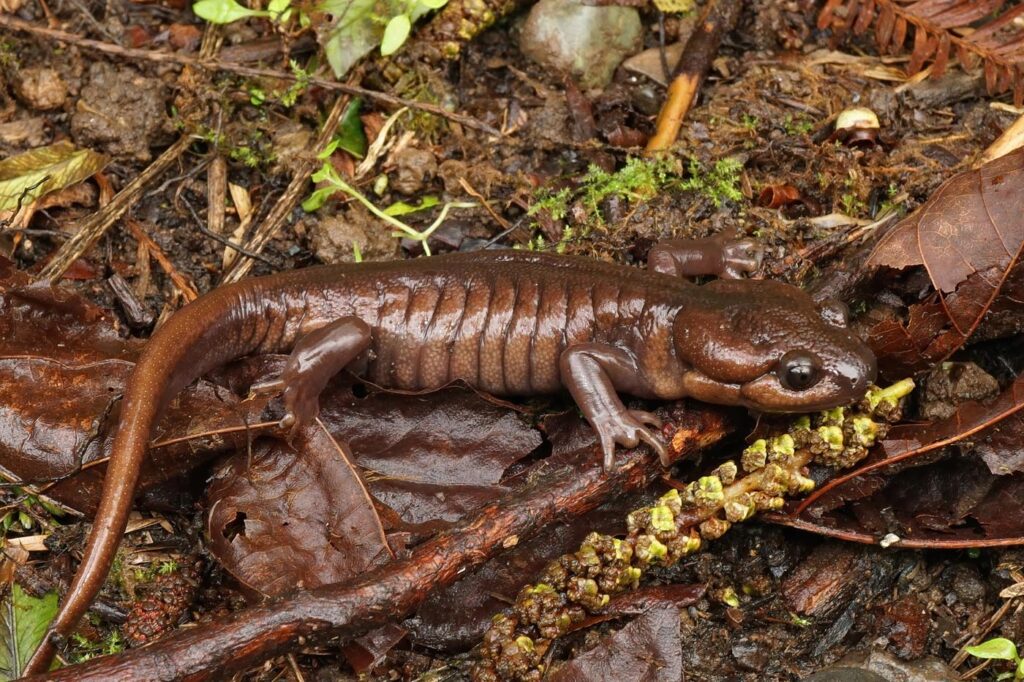
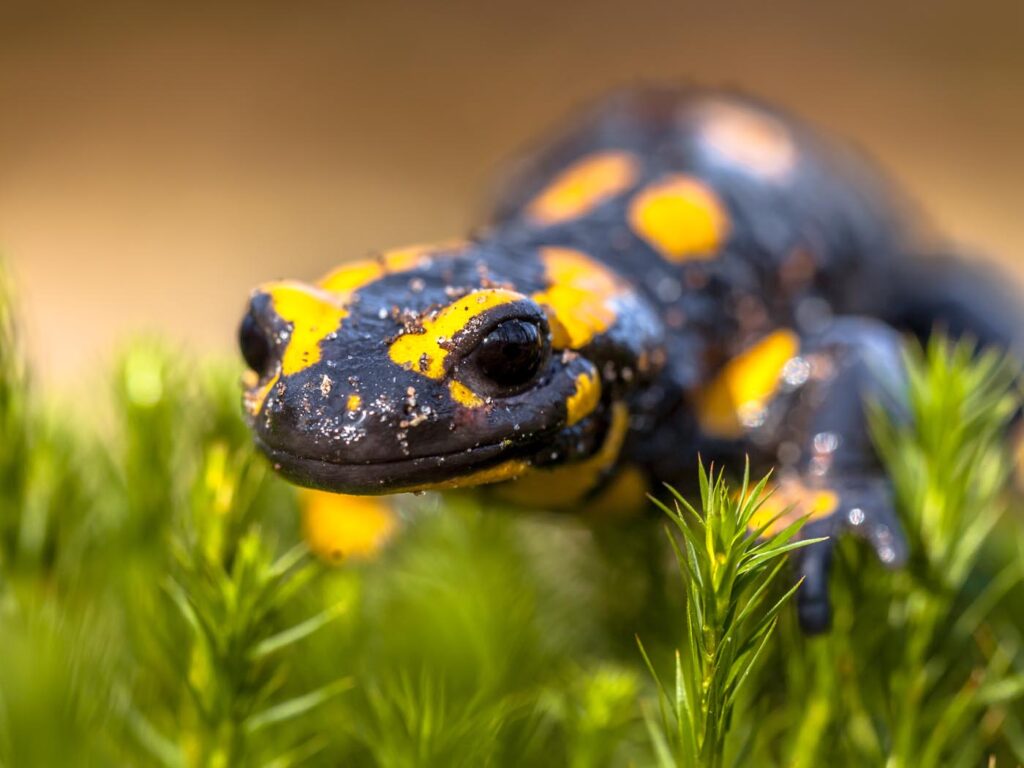
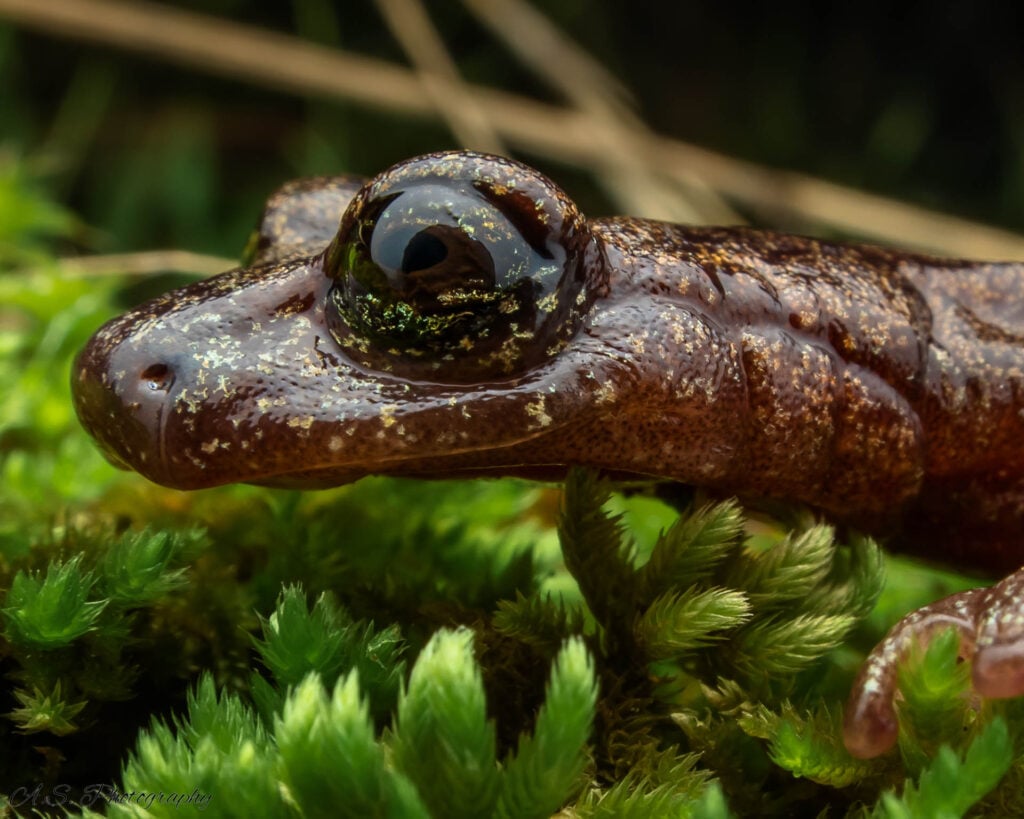
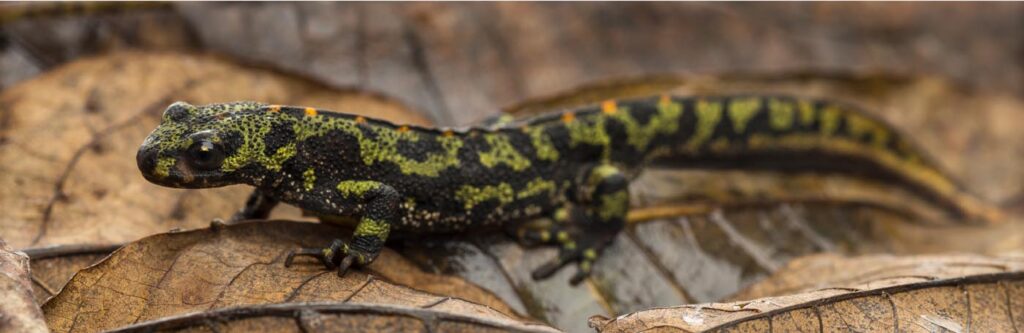
Photo atop this webpage is of Hydromantes samweli; winner of Best Salamander Photo in the 2025 SAVE THE FROGS! Photo Contest.
Part of a Global Movement
World Salamander Day joins a growing calendar of annually-celebrated amphibian awareness events:
- March 20: World Frog Day – Celebrating frogs worldwide
- March 28: World Salamander Day – Celebrating salamanders worldwide
- April 28: Save The Frogs Day – The world’s largest day of amphibian conservation action
- First Saturday of May: Salamander Saturday – Foundation for Conservation of Salamanders event
- First Week of May: Amphibian Week – Week-long celebration of all amphibians
Together, these events create a spring season of amphibian awareness and action.

World Salamander Day Alerts
Resources & Graphics
Coming soon! We’ll provide:
Partners & Supporters
World Salamander Day is an initiative of SAVE THE FROGS!, the world’s first public charity dedicated exclusively to amphibian conservation. SAVE THE FROGS! is dedicated to protecting amphibian populations and habitats worldwide through education, conservation, and research.
We invite salamander conservation organizations, crossing brigades, nature centers, zoos, academic institutions, and citizen science programs to join us in celebrating World Salamander Day.
Interested in partnering? Contact us!


But wait, there’s more! Be sure to check out the World Salamander Day Blog!